




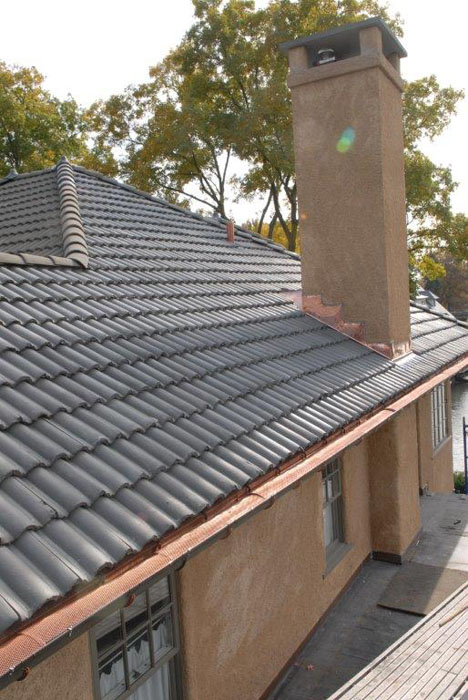
Most homeowners don’t think about their roofing situation until something has already went wrong. Your roof is the first and most important line of defense between your family and Connecticut’s weather. Salt air off the coast. Heavy winter snow. Ice dams. Wind-driven rain. When it comes to roofing in Norwalk, CT, roofs deal with conditions that most parts of the country never see…
Whether you just noticed something that doesn’t look right, survived a rough storm season, or are simply trying to be a more informed homeowner, this guide covers everything you need to know. No jargon, no pressure — just a clear, honest breakdown of how your roof works, what to watch for, and what to do when something needs attention.
Looking for Something in Particular?
- How Does a Roof Really Work?
- 10 Warning Signs Your Roof May Be Failing
- How Long Does a Roof Last in Connecticut?
- Roof Repair vs. Roof Replacement: Which Do You Need?
- What to Do After Storm Damage in Connecticut
- Best Roofing Materials for Norwalk Homes
- How Roofing Insurance Claims Work in Connecticut
- How Much Does a Roof Replacement Cost in Norwalk?
- How to Find a Roofing Contractor You Can Trust
- Why Norwalk Homeowners Trust Leon Restoration
How Does Roofing in Norwalk, CT Really Work?
Most people think of a roof as shingles. In reality, it’s a layered system — and every layer has a job.
- Shingles are the outer surface that sheds water and takes the brunt of weather exposure
- Underlayment is a waterproof barrier beneath the shingles — your second line of defense if a shingle fails
- Flashing is the metal sealing around chimneys, vents, skylights, and roof edges where water is most likely to sneak in
- Roof decking is the wooden base everything sits on — when moisture gets this far, repairs get expensive fast
- Ventilation regulates heat and humidity in your attic, which affects the lifespan of everything above it
When a leak shows up on your ceiling, it’s almost never where the problem started. Water travels. By the time you see a stain inside your home, it’s already passed through multiple layers — and usually been doing so for weeks or months.
10 Warning Signs Your Roof May Be Failing
You don’t need to climb on your roof to spot trouble. Here’s what to watch for from the ground and inside your home.
Outside your home:
- Missing, curling, or cracked shingles
- Shingle granules collecting in your gutters (looks like coarse sand — it means your shingles are wearing out)
- Sagging areas anywhere on the roofline
- Moss or algae growth, especially across large sections
- Damaged or pulling flashing around the chimney or vents
- Debris impact marks after a storm
Inside your home:
- Water stains or discoloration on ceilings or walls
- Damp or musty smell in the attic
- Daylight visible through the attic roof boards
- Sudden spike in heating or cooling bills — a failing roof often means poor insulation
Any one of these warrants a professional inspection. Several of them together means don’t wait.
How Long Does Roofing last in Norwalk?
Lifespan depends heavily on material — but Connecticut’s coastal climate shortens the timeline for every option.
| Material | National Average Lifespan | Coastal CT Reality |
| Asphalt Shingles | 25–30 years | 20–25 years |
| Architectural Shingles | 30 years | 22–28 years |
| Metal Roofing | 40–70 years | 40–60 years |
| Cedar Shake | 25–30 years | 20–25 years (with maintenance) |
| Slate | 75–100+ years | 75–100 years |
Salt air accelerates the deterioration of most roofing materials. Freeze-thaw cycles crack and loosen shingles faster than dry inland climates. And ice dams — a uniquely New England problem — can push water under shingles and weaken large sections of a roof without any visible exterior damage.
If your roof is approaching the end of its expected lifespan, start planning proactively. A roof that “looks okay” from the ground can still be a year or two from failure.
Roof Repair vs. Roof Replacement: Which Do You Need?
This is the question homeowners stress about most — and the answer almost always comes down to two things: how old the roof is, and how widespread the damage is.
Repair makes sense when:
- Damage is isolated to one section or area
- Your roof is under 15 years old
- The underlying decking and structure are still solid
- You had one specific weather event cause the problem
Replacement makes sense when:
- Your roof is 20+ years old with widespread wear
- You’ve had the same areas repaired multiple times
- More than 30% of the surface is compromised
- There’s moisture damage in the decking or structure beneath
The goal isn’t to find the cheaper option today — it’s to find the solution that doesn’t cost you more in two years. Repairing a roof that’s genuinely failing only delays the problem and adds up over time. Roofing in Norwalk, CT comes down to these 2 solutions.
→ Read the full breakdown: Roof Repair vs. Roof Replacement: A Norwalk Homeowner’s Guide
What to Do After Storm Damage in Connecticut
Connecticut storms bring wind, hail, heavy rain, and ice — sometimes all at once. Here’s what to do when one rolls through:
- Don’t climb on your roof. It’s dangerous, especially right after a storm when surfaces are wet or compromised.
- Do a safe visual check from the ground. Look for missing shingles, debris on the roof, dented gutters, or anything that looks off.
- Check your attic and ceilings. Look for moisture, stains, or any new signs of water intrusion.
- Document everything with photos. Before anything is touched — this matters enormously for insurance claims.
- Schedule a professional inspection. Storm damage isn’t always visible from the outside. A roofer can identify damage you’d never spot from the ground.
- File your insurance claim promptly. Most Connecticut insurers require claims within 6 to 12 months of the damage. Waiting too long can give them grounds to deny the claim entirely.
One thing worth knowing: many homeowners are surprised to find after a storm inspection that their roof qualifies for a full insurance-covered replacement — not just a repair.
→ Read the full breakdown: What to Do After a Storm Hits Your Roof in Norwalk, CT
Best Roofing Materials for Norwalk Homes
Not every roofing material performs equally well in coastal Connecticut. Here’s how the most common options compare:
Architectural Asphalt Shingles The most common choice for good reason — strong wind resistance, solid durability, and a dimensional look that holds up well. Modern architectural shingles are rated for 130+ mph winds, and they offer the best balance of cost and performance for most Norwalk homeowners.
Impact-Resistant Shingles Designed specifically for storm-prone areas. Rated Class 4 — the highest available impact resistance — they’re built to withstand hail without cracking. Some insurance companies offer discounts for homes with impact-resistant shingles installed.
Metal Roofing Increasingly popular for homeowners thinking long-term. Metal roofs last 40–70 years, handle wind and hail exceptionally well, and require minimal maintenance. The upfront cost is higher, but the long-term math often works in your favor.
Cedar Shake A natural, high-end aesthetic that stands out in coastal neighborhoods. Cedar requires more maintenance than other materials but delivers genuine curb appeal and a lifespan of 20–25 years with proper care.
Slate The premium long-term investment. Slate can last 75–100+ years and handles Connecticut weather better than virtually any other material. It’s also the most expensive option and adds significant weight — your home’s structure needs to support it.
How Roofing Insurance Claims Work in Connecticut
Homeowners insurance typically covers sudden, accidental damage — hail, wind, storm damage, fallen trees. It does not cover wear and tear, age-related deterioration, or neglect.
Here’s how the process works in plain terms:
- You document the damage with photos after the storm or event
- You file a claim with your insurance company promptly
- An adjuster is assigned to inspect the damage and assess the scope
- If approved, insurance pays a settlement minus your deductible — the portion you’re responsible for
- You hire a contractor and the work gets done
A few things worth knowing about the Connecticut claims process:
- Work with your contractor during the adjuster visit. A good roofing contractor will walk the roof with your adjuster to make sure nothing is missed. This is standard practice and completely appropriate.
- Never let a contractor waive your deductible. This is insurance fraud in Connecticut and can result in serious legal consequences for the homeowner.
- File quickly. Delays give insurers grounds to question whether damage was storm-related or pre-existing, and Connecticut policies typically have filing windows of 6–12 months.
How Much Does a Roof Replacement Cost in Norwalk?
In Norwalk, most homeowners can expect to pay between $6 and $30+ per square foot for a roof replacement, depending on material, roof complexity, and project scope. In real numbers, that means:
- A basic asphalt shingle replacement: $8,000 – $15,000
- A higher-end or complex replacement: $30,000 – $60,000+
Here’s a quick breakdown by material:
| Material | Cost Per Square Foot |
| Asphalt Shingles | $6 – $10 |
| Metal Roofing | $10 – $18+ |
| Cedar Shake | $12 – $20 |
| Slate | $20 – $30+ |
The material is only part of the cost. Labor, tear-off and disposal of the old roof, underlayment, flashing, permits, and the complexity of your specific roofline all factor in. A steep roof with multiple dormers and valleys costs more to replace than a simple low-slope roof of the same square footage.
Always budget a 10–15% buffer for anything discovered underneath — like damaged decking — once the old roof comes off.
→ Read the full breakdown: How Much Does a Roof Replacement Cost in Norwalk, CT?
How to Find a Roofing Contractor You Can Trust in Norwalk
After major storms, out-of-town contractors flood Fairfield County looking for quick jobs. Many disappear before warranty issues arise. Here’s how to separate trustworthy local contractors from the rest:
They’re local and established. A company with years of history in Norwalk has a community reputation to protect. Look for an address, a track record, and real reviews from local homeowners.
They’re licensed and insured. In Connecticut, roofing contractors are required to be registered with the state. Always ask for proof of general liability insurance and workers’ compensation before anyone steps on your roof.
They put everything in writing. Scope of work, materials being used, timeline, payment schedule — all of it in a written contract before work begins.
They don’t pressure you. A trustworthy contractor gives you time to review the estimate and ask questions. Anyone pushing you to sign same-day is a red flag.
They have real reviews. Check Google, the Better Business Bureau, and ask for references from past customers in the Norwalk area specifically.
They work with your insurance. A contractor experienced with insurance claims will help document damage, communicate with your adjuster, and make sure nothing gets left out of your settlement.
Why Norwalk Homeowners Trust Leon Restoration
Leon Restoration has been helping Norwalk and Fairfield County homeowners protect their homes for years. Here’s what makes the difference:
Honest inspections. We tell you what your roof actually needs — whether that’s a $400 repair or a full replacement. No upselling, no pressure.
Clear communication. We explain what we found, what we recommend, and why — in plain language, not roofing jargon.
Licensed, insured, and local. We’re registered in Connecticut and carry full general liability and workers’ compensation insurance. Proof available anytime.
We stand behind our work. When the job is done, we’re still here. Leon Restoration is a local company with a local reputation to uphold.
Ready for a Free Roof Inspection in Norwalk?
Now that you know what to look for, what questions to ask, and what to expect from the process — you’re ahead of most homeowners. A roof problem caught early is almost always cheaper, faster, and less stressful to fix.
Whether you noticed a warning sign, just went through a storm, or simply haven’t had your roof looked at in a few years, the smartest next step is a professional inspection from someone you can trust.
Schedule your FREE roof inspection with Leon Restoration →
The best roofing decision is an informed one — and you’ve already started.