




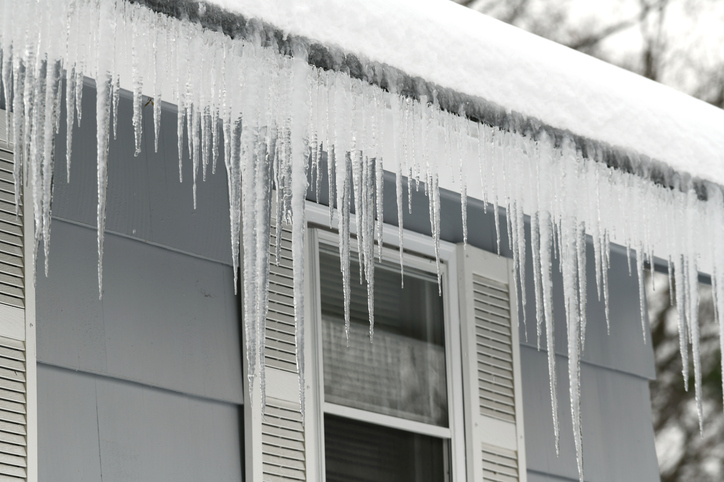
If a recent storm just passed through Norwalk, Connecticut, you’re probably wondering: “Did my roof take any storm damage?” Even if everything looks fine from the ground, storm damage isn’t always obvious right away. And the longer it goes unnoticed, the more expensive it can become to repair it or even replace it.
If you aren’t sure what to do or how to assess the damage, this guide will walk you through what storms can do to your roof, signs of damage to look for, and what to do next.
Table of Contents:
- What Storms Can Do to Your Roof
- Signs Your Roof May Have Storm Damage
- What to Do Immediately After a Storm
- Best Roofing Materials After Storm Damage (If You Need a Replacement)
- Why You Should Act Quickly After A Storm
- Get a FREE Storm Damage Roof Inspection in Norwalk, CT
What Storms Can Do to Your Roof
Storms in Connecticut can bring a mix of heavy rain, strong winds, hail, and falling debris. All of these can damage your roof in different ways.
- Wind can lift or remove shingles.
- Rain can find its way into small openings.
- Debris can puncture roofing materials.
And hail? That can weaken your roof without you even noticing. The more you ignore your roof, the weaker it’ll get especially after storms in Connecticut. Which will end up being a costly problem to fix.
Signs Your Roof May Have Storm Damage
After a storm, here are the most common things to look for.
Outside Your Home
- Missing or lifted shingles (the rectangular patches on your roof)
- Debris on your roof
- Dented gutters or flashing
- Shingle pieces on the ground
Inside Your Home
- Water stains on ceilings
- Leaks during rain
- Damp attic insulation
- Musty smells
Subtle Signs Most Homeowners Miss
Some of the most serious damage isn’t obvious.
- loosened shingles
- small punctures
- damaged underlayment
These can turn into leaks weeks or months later.
What to Do Immediately After a Storm
If you suspect damage, don’t wait. Especially if you live in an older home. Here’s what you should do:
1. Do a Safe Visual Check
Walk around your home and look for obvious signs — but don’t climb onto your roof. It’s dangerous if you’re untrained.
2. Check Your Attic or Ceiling
Look for moisture, stains, or new signs of water intrusion.
3. Take Photos
If you see anything unusual, document it. This helps with insurance claims.
4. Schedule a Roof Inspection
This is the most important step. A professional inspection can identify damage you can’t see from the ground.
Roof Repair vs Roof Replacement After a Storm
Not all storm damage means you need a full replacement.
When a Repair Is Enough
You may only need repairs if:
- damage is isolated to one area
- your roof is relatively new
- shingles can be replaced
When Replacement Is Recommended
A full replacement may be needed if:
- damage is widespread
- your roof is older
- multiple areas are compromised
- insurance covers replacement
In many storm cases, homeowners are surprised to find their roof qualifies for replacement through insurance.
Best Roofing Materials After Storm Damage (If You Need a Replacement)
If your roof has significant storm damage you may need a full replacement. Here are some of the best roofing materials homeowners should consider.
Architectural Asphalt Shingles (Most Popular)
Architectural shingles are the most common choice for homeowners — and for good reason.
They offer:
- Strong wind resistance
- Better durability than standard 3-tab shingles
- A dimensional, high-end appearance
- Affordable pricing
Many modern shingles are rated for 130+ mph winds, making them a solid option for storm-prone areas. For most homeowners, this is the best balance of cost, performance, and appearance.
Impact-Resistant Shingles (Best for Storm Protection)
If storms are a concern, upgrading to impact-resistant shingles is a smart move.
These shingles are designed to:
- Withstand hail impact
- Resist cracking and splitting
- Extend the lifespan of your roof
They’re often rated as Class 4 impact-resistant, which is the highest rating available to protect your home from storms. Some insurance companies may even offer discounts for installing them.
Metal Roofing (Best Long-Term Investment)
Metal roofing is becoming more popular for homeowners who want maximum durability.
Benefits include:
- Lifespan of 40–70 years
- Excellent resistance to wind and hail
- Low maintenance
- Energy efficiency
While the upfront cost is higher, metal roofs often save money over time because they last longer and require fewer repairs.
Synthetic Roofing Materials (Premium Look Without the Weight)
Synthetic roofing materials are designed to mimic slate and cedar shake but without the weight and maintenance.
Benefits include:
- High durability
- Impact resistance
- Lightweight construction
- Premium aesthetic
These are a great option for homeowners who want a luxury look with modern performance.
Why You Should Act Quickly After A Storm
Waiting too long after a storm can lead to:
- worsening leaks
- mold growth
- structural damage
- denied insurance claims
The sooner you act, the more options you have.
Get a FREE Storm Damage Roof Inspection in Norwalk
If your home was recently hit by a storm, the best thing you can do is get a professional inspection. At Leon Restoration, we help homeowners in Norwalk, CT identify storm damage, handle repairs, and guide them through the next steps.
Even if you’re not sure there’s damage, it’s better to check now than deal with bigger problems later.
When you need a second look at your home…
Contact Leon Restoration today to schedule your FREE storm damage roof inspection.